 Download Free Assets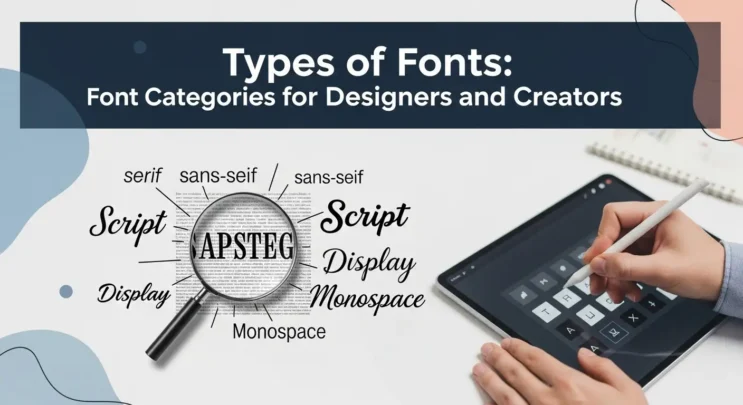
Fonts play a powerful role in how we read, feel, and connect with content. From books and websites to logos, movies, and games, the type of font you choose can completely change the message you communicate. In this blog post, we’ll explore the major types of fonts and explain their common uses in simple, easy-to-understand language.
1. Anime Fonts
Anime fonts are inspired by Japanese anime and manga culture. They often feature bold strokes, sharp angles, or playful curves that reflect action, emotion, and fantasy. These fonts are commonly used in anime posters, fan art, and gaming designs. They work best for titles rather than long text.
2. Apparel & Gear Fonts
Apparel and gear fonts are designed for clothing, merchandise, and accessories. They are usually bold, readable, and impactful from a distance. These fonts work well on T-shirts, hoodies, caps, and sportswear. Durability and visual strength are key features.
3. Arabic Fonts
Arabic fonts are created for the Arabic script, respecting its cursive and flowing nature. They range from traditional calligraphic styles to modern digital designs. These fonts are widely used in religious texts, branding, and cultural designs. Proper readability and cultural accuracy are essential.
4. Art Fonts
Art fonts are creative and expressive typefaces made to stand out visually. They often break traditional font rules to create artistic impact. These fonts are ideal for posters, artwork, and experimental designs. They are not suitable for long reading.
5. Bitmap Fonts
Bitmap fonts are made from pixels rather than smooth curves. They were popular in early digital screens and video games. These fonts give a retro, digital feel to designs. They work best at specific sizes.
6. Bold Fonts
Bold fonts have thick, heavy strokes that grab attention instantly. They are commonly used for headings, titles, and emphasis. Bold fonts improve visibility and hierarchy in design. Overusing them can reduce readability.
7. Book Fonts
Book fonts are designed for long reading sessions. They are comfortable on the eyes and maintain clarity across pages. These fonts usually have balanced spacing and smooth letterforms. Serif fonts are commonly used as book fonts.
8. Branding Fonts
Branding fonts represent a brand’s identity and personality. They help communicate trust, style, and values. A good branding font is consistent across all marketing materials. It plays a major role in brand recognition.
9. Brush Fonts
Brush fonts mimic hand-painted brush strokes. They feel energetic, expressive, and artistic. These fonts are great for posters, apparel, and creative projects. They add emotion but should be used sparingly.
10. Calligraphy Fonts
Calligraphy fonts are inspired by traditional hand lettering. They feature elegant strokes and decorative forms. These fonts are often used in wedding cards, certificates, and religious content. They convey formality and beauty.
11. Cartoon Fonts
Cartoon fonts are playful, exaggerated, and fun. They often use rounded shapes and bold outlines. These fonts are perfect for kids’ content, comics, and animations. They create a joyful and friendly mood.
12. Condensed Fonts
Condensed fonts have narrow letter widths. They help fit more text into limited space. These fonts are commonly used in headlines and posters. They should be used carefully to maintain readability.
13. Cursive Fonts
Cursive fonts resemble connected handwriting. They feel personal and informal. These fonts are good for invitations and casual designs. They are not ideal for professional documents.
14. Disney Fonts
Disney fonts are inspired by the iconic Disney branding style. They feel magical, playful, and nostalgic. These fonts are often used in fan art and themed designs. They instantly evoke childhood memories.
15. Display Fonts
Display fonts are designed to attract attention. They are bold, decorative, and unique. These fonts work best for headlines and titles. They are not suitable for body text.
16. Fancy Fonts
Fancy fonts focus on decoration and style. They often include unusual shapes and flourishes. These fonts are ideal for special designs and creative branding. Overuse can make designs look cluttered.
17. Futuristic Fonts
Futuristic fonts are inspired by technology and innovation. They often use sharp lines and geometric shapes. These fonts are perfect for sci-fi, tech brands, and modern interfaces. They suggest progress and modernity.
18. Game Fonts
Game fonts are designed specifically for video games. They match the theme and mood of the game. These fonts must be readable at different screen sizes. They enhance the gaming experience.
19. Geometric Sans-Serif Fonts
Geometric sans-serif fonts are based on simple shapes like circles and squares. They look clean, modern, and balanced. These fonts are popular in web and app design. Poppins is a common example.
20. Glitch Fonts
Glitch fonts appear distorted or broken. They represent digital errors and cyber aesthetics. These fonts are used in experimental and tech designs. They create a dramatic visual effect.
21. Gothic Fonts
Gothic fonts have medieval roots and dramatic forms. They often look dark and intense. These fonts are popular in fantasy, metal music, and horror themes. Readability is usually secondary to style.
22. Graphics Design Fonts
Graphic design fonts are versatile and visually strong. They work well across posters, banners, and digital art. These fonts balance creativity and readability. Designers choose them for flexibility.
23. Grotesque Sans Fonts
Grotesque sans fonts are early sans-serif styles. They have slightly uneven shapes but feel professional. These fonts are widely used in editorial design. They appear neutral and serious.
24. Handwritten Fonts
Handwritten fonts imitate natural handwriting. They feel casual, warm, and personal. These fonts are great for blogs and social media. They add a human touch to designs.
25. Holiday Fonts
Holiday fonts are themed for festivals and celebrations. Examples include Christmas or Halloween fonts. They add seasonal mood and excitement. These fonts are used temporarily.
26. Horror Fonts
Horror fonts are designed to scare or disturb. They often look rough, dripping, or broken. These fonts are perfect for horror movies and games. They create suspense and fear.
27. Humanistic Sans-Serif Fonts
Humanistic sans fonts are inspired by human handwriting. They feel warm and natural. These fonts are easy to read for long text. They are commonly used in books and websites.
28. Icon Fonts
Icon fonts contain symbols instead of letters. They are scalable and lightweight. These fonts are widely used in web design. They improve UI consistency.
29. Logo Fonts
Logo fonts are chosen to represent a brand visually. They must be unique and memorable. These fonts help build brand identity. Consistency is crucial.
30. Modern Fonts
Modern fonts have clean and simple designs. They reflect current design trends. These fonts are widely used in digital platforms. They feel fresh and professional.
31. Monospaced Fonts
Monospaced fonts give equal space to each character. They are commonly used in coding. These fonts improve alignment and clarity. They feel technical.
32. Movie Fonts
Movie fonts are inspired by film titles. They reflect genre and mood. These fonts are used in posters and promotions. They create cinematic impact.
33. Multiline Fonts
Multiline fonts use layered line effects. They look decorative and creative. These fonts are great for experimental typography. They are used mainly for display.
34. Music Fonts
Music fonts are related to musical themes. They may include notes or rhythm-inspired shapes. These fonts are used in album covers. They express sound visually.
35. Old Style Fonts
Old style fonts are early serif fonts. They have organic and soft shapes. These fonts are ideal for traditional texts. They feel classic and elegant.
36. OpenType Fonts
OpenType fonts support advanced typographic features. They include ligatures and stylistic alternates. These fonts are used by professionals. They improve typography quality.
37. Ramadan Fonts
Ramadan fonts are designed for Islamic themes. They often use Arabic calligraphic elements. These fonts are used in greetings and banners. They convey spirituality.
38. Ramadhan Fonts
Ramadhan fonts are alternative spellings of Ramadan fonts. They serve the same purpose. These fonts reflect cultural tradition. They are used seasonally.
39. Regular Fonts
Regular fonts are standard weight fonts. They are used for body text. These fonts provide balance and readability. They form the foundation of typography.
40. Retro Fonts
Retro fonts are inspired by past decades. They evoke nostalgia and style. These fonts are popular in posters and branding. They feel fun and familiar.
41. Romantic Fonts
Romantic fonts are soft and elegant. They express love and emotion. These fonts are used in poetry and weddings. They create warmth.
42. Sans Serif Fonts
Sans serif fonts lack decorative strokes. They look clean and modern. These fonts are widely used online. They are highly readable.
43. Sci-Fi Fonts
Sci-fi fonts are futuristic and bold. They reflect space and technology. These fonts are used in movies and games. They feel imaginative.
44. Script Fonts
Script fonts imitate cursive writing. They feel graceful and flowing. These fonts are used in invitations. They add elegance.
45. Serif Fonts
Serif fonts include decorative strokes. They are traditional and formal. These fonts are ideal for print. They enhance readability.
46. Slab Serif Fonts
Slab serif fonts have thick serifs. They look strong and bold. These fonts are used in headlines. They create impact.
47. Symbolic Fonts
Symbolic fonts use icons and signs. They replace letters with visuals. These fonts are used for decoration. They add visual interest.
48. Tattoo Fonts
Tattoo fonts are expressive and bold. They are inspired by body art. These fonts are used in tattoos and edgy designs. They feel personal.
49. Techno Fonts
Techno fonts are digital and mechanical. They represent technology and machines. These fonts are used in tech branding. They feel futuristic.
50. Text Fonts
Text fonts are designed for paragraphs. They prioritize readability. These fonts are simple and clean. They support long reading.
51. TrueType Fonts
TrueType fonts are widely supported formats. They work across systems. These fonts are used in print and digital media. They are reliable.
52. TV Fonts
TV fonts are designed for broadcast media. They must be readable on screens. These fonts are used in news and shows. Clarity is essential.
53. Vintage Fonts
Vintage fonts have an aged look. They feel classic and historic. These fonts are used in retro branding. They create nostalgia.
Final Thoughts
Understanding the types of fonts helps you choose the right typography for the right purpose. Whether you’re designing a logo, writing a book, building a website, or creating social media graphics, selecting the right font category can make your work more effective and visually appealing.
Typography isn’t just about letters it’s about communication, emotion, and identity. Choose wisely, and your design will speak louder than words.